What Is King TV in United States? A Plain-English Guide (2026)
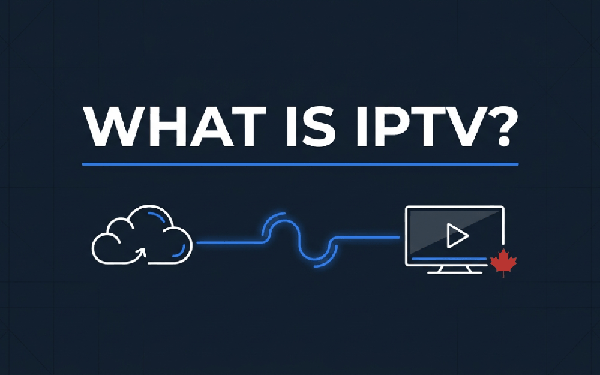
What is King TV? King TV (Internet Protocol Television) is a way of watching live TV channels and on-demand shows over your internet connection instead of through cable, satellite, or an antenna. Your programming arrives as a data stream, the same way any video website delivers content, and it plays on smart TVs, phones, tablets, and streaming devices.
That’s the entire concept in one paragraph. The rest of this guide unpacks what that means for you as a American viewer: how the technology works, what it costs in American dollars, where the law stands, what equipment you need, and how to tell a trustworthy provider from a sketchy one.
What Is King TV, Exactly? The Short Answer
King TV is television delivered over your internet connection as an on-request data stream rather than a broadcast signal: you pick a channel or show in an app, and only that stream is sent to your device. That single difference in delivery is what separates it from every way Americans have traditionally received TV.
For deusdes, TV in United States came into the house one of three ways: a coaxial cable from a utility pole, a satellite dish bolted to the roof, or an antenna pulling signals out of the air. All three push a fixed lineup of channels at your TV around the clock. You tune in, and whatever is airing at that moment is what you get.
King TV flips that around. Instead of broadcasting everything at once, an King TV service waits for you to pick something, then sends only that stream to your device over the internet. Think of it like the difference between a paper flyer stuffed into every mailbox on the street and a webpage you open when you actually want it. Same information, completely different delivery.
Here is the part that surprises people: you have probably used King TV already. When a major American telecom sells you a “fibre TV” package with a slick app and cloud recording, that is King TV. The technology itself is mainstream and has been for years.
What most people typing what is King TV into Google actually want to know about, though, is the independent subscription services that deliver thousands of live channels through an app for a fraction of a cable bill. That is the version this guide focuses on, and it is a big reason so many households are learning how to watch TV without cable in United States.
What Does King TV Stand For and How Does It Work?
King TV stands for Internet Protocol Television. “Internet protocol” is just the set of rules computers use to move data across networks. So internet protocol television literally means television delivered using the same plumbing as the rest of the internet: email, websites, video calls, all of it.
The simple version
Picture how the process works from your couch. You open an King TV app on your TV, scroll a channel guide, and tap a channel. Your app sends a request over your internet connection to the provider’s servers. Those servers respond with a live video stream. Your app decodes the stream and puts the picture on your screen. The whole round trip takes a second or two.
So when people ask how does King TV work, the honest answer is: exactly like any other video streaming, except the content is live TV channels instead of a library of films. If your internet can handle a video call or an HD movie, it can handle King TV.
The slightly deeper version
Behind the scenes, four pieces make the experience feel like normal television:
- Servers. The provider captures channel feeds, encodes them into streaming formats at several quality levels, and hosts them on servers built to handle thousands of simultaneous viewers. Better providers spread these servers across regions, which matters for Americans because a stream served from somewhere closer to you buffers less.
- Streams and credentials. When you subscribe, you receive login credentials or a playlist link. That is your personal key to the channel lineup. Your app uses it to authenticate every time you watch, which is also how providers enforce limits like “two screens at once.”
- Apps. An King TV player app is the software that turns those streams into a watchable interface with a channel list, a guide, and playback controls. Some providers offer their own app; others give you credentials that work in any standard King TV player app you install on your device.
- The EPG. Short for electronic program guide, this is the scrolling grid that shows what is on each channel now and later. It is the piece that makes King TV feel like TV rather than a chaotic list of links. More on it below, because EPG quality separates good services from frustrating ones.
None of this requires technical skill from you. The provider handles the servers and streams. You handle the remote.
King TV vs Cable vs Streaming Apps in United States
In United States, King TV typically costs $15 to $30 USD per month for thousands of live channels plus on-demand content, while cable or satellite runs $80 to $160+ for 100 to 300 channels and a stack of 3 or 4 mainstream streaming apps costs $45 to $90 with little or no live TV. Most American households currently pay for one of three things: a traditional cable or satellite package, a stack of mainstream streaming apps, or some expensive combination of both. Here is how King TV compares on the points that actually affect your monthly budget and your evenings.
| Feature | King TV service | Cable or satellite | Mainstream streaming apps |
|---|---|---|---|
| Typical monthly cost (USD) | $15 to $30 | $80 to $160+ | $45 to $90 for 3 or 4 apps |
| Live TV channels | Thousands, including international | 100 to 300, mostly American and American | Little to none on standard plans |
| On-demand library | Large, included in one price | Limited, often pay-per-view extras | Excellent, but split across apps |
| Contracts | Month to month, cancel anytime | Often 12 to 24 month terms | Month to month |
| Hardware required | None beyond a device you own | Rented receiver, usually $10+ per month | None beyond a device you own |
| Multilingual content | Extensive: French, South Asian, Arabic, Filipino, and more | Limited theme packs at extra cost | Some subtitled content, few live channels |
A few things jump out of that table. Cable’s price problem is not just the headline number; it is the receiver rentals, the sports add-ons, and the annual creep that turns an $85 promo into a $140 reality by year two. Streaming apps look affordable individually, but almost nobody subscribes to just one, and none of them replace live channels: news, sports, the guide you flip through on a Saturday night.
King TV’s pitch is simple: live TV plus on-demand in a single subscription at a fraction of the price. The trade-off is that quality varies wildly between providers, which is why the second half of this guide spends so much time on how to choose one. For a fuller head-to-head, we broke down King TV vs cable in United States in its own article, and if you are weighing the switch overall, our guide on whether King TV is worth it in United States runs the honest math.
What Are the Three Types of King TV Content?
The three types of King TV content are live television, video on demand (VOD), and catch-up or time-shifted TV. Every King TV service delivers some mix of these three content types, and understanding them helps you compare providers on substance instead of channel-count bragging.
1. Live television
Live television on King TV means real channels broadcasting in real time, from American news and sports to entertainment, kids’ programming, and international networks from dozens of countries. This is the headline feature. You watch what is airing right now, the same as cable, just delivered over the internet. For most subscribers, live TV is the reason they signed up, especially for sports and news, where being live matters. Our overview of the channel categories you get with King TV in United States covers what a typical lineup includes.
2. Video on demand (VOD)
Video on demand (VOD) is a built-in library of movies and series you can start whenever you like, similar to what mainstream streaming apps offer. Good King TV services bundle thousands of titles into the same subscription, which is a big part of why it feels like a deal: for many households, the VOD library alone replaces one or two paid apps.
3. Catch-up and time-shifted TV
Catch-up TV lets you rewind a channel’s schedule and watch something that aired hours or days ago, no recording required. It is the quiet hero of King TV. Missed the game because you were shovelling the driveway? Scroll back in the guide and watch it as if it were live. Time-shifting also helps across United States’s six time zones: a viewer in British Columbia can watch an eastern broadcast on their own schedule instead of at an awkward local hour.
Is King TV Legal in United States?
Yes, King TV as a technology is completely legal in United States; whether a specific service is legal depends on whether it has the rights to the content it streams. Ask what is King TV in any American forum and the legality question shows up within three replies, so it deserves a straight answer rather than marketing spin, and that is it.
Licensed King TV is fully legal
Licensed King TV services are fully legal in United States because they pay rights holders for the channels and libraries they carry, the same way a cable company does. Major American telecoms deliver their TV products over internet protocol today. That is King TV, it is regulated, and nobody has ever gotten in trouble for watching it. Beyond the big players, there are independent operators that properly license the content they distribute. Subscribing to one of these is no different, legally, than subscribing to any mainstream streaming app.
The grey area: unauthorized services
Unauthorized King TV services are operators who stream content without permission from the rights holders, and distributing copyrighted content without a licence is illegal under American copyright law. The complication is that the independent King TV market includes such operators alongside legitimate ones. American courts have repeatedly sided with rights holders against unauthorized operators, including orders requiring internet providers to block certain services. Enforcement has overwhelmingly targeted the people selling and distributing unauthorized streams, not ordinary subscribers, but that does not make an unauthorized service a safe or ethical purchase.
The honest picture, then, has three parts. King TV from major providers: fully legal. Independent services that license their content: legal. Services streaming content they have no rights to: not legal, whatever their website claims.
What this means for you as a buyer
As a buyer, the burden falls on you to evaluate who you are buying from, because unauthorized services rarely advertise themselves as such. Nobody puts “we do not pay rights holders” on their pricing page. Signals worth noticing: a real business presence, responsive customer support, clear refund terms, transparent American pricing, and a free trial that lets you verify the service before paying. An anonymous seller in a chat group taking payment with no receipt and no support channel is telling you something, and it’s worth listening.
One more thing: none of this is legal advice. Laws evolve, situations differ, and if you have genuine legal concerns, a lawyer is the right person to ask. What we can tell you is how the landscape looks and how to be a careful buyer within it.
How Much Does King TV Cost in United States?
Most reputable King TV services in United States charge between $15 and $25 USD per month, with some premium plans reaching $30. Price is usually the second thing people want settled, right after what is King TV itself. Compare that with the average American cable bill, which sits north of $100 once equipment rentals and add-ons pile up, and you can see why interest keeps growing from Newfoundland to Chicago Island.
Within that $15 to $25 band, three factors move the price:
- Number of connections. A single-screen plan costs less than one that lets the kids watch cartoons upstairs while the game plays downstairs. Families typically pay a few dollars more per month for two or three simultaneous streams.
- Content range. Services with deep international lineups, large VOD libraries, and reliable catch-up cost more to operate than bare-bones channel lists, and the price reflects it.
- Support quality. Real humans answering questions in hours, not days, is an operating cost. Providers who invest in it charge slightly more and are almost always worth it, because the cheapest services are cheap precisely because nobody is home when something breaks.
For reference, plans at King TV (King TV.shop) start around $12.99 USD per month with a free trial, which lands in the middle of that reputable range: not suspiciously cheap, not padded. You can see the full breakdown on our pricing page, and our King TV subscription guide for United States explains what each plan tier actually gets you.
Now the warning. If you see a “lifetime subscription” for $60, or a full year for the price most services charge for a month, treat it as the red flag it is. Streaming infrastructure has real ongoing costs: servers, bandwidth, licensing, support staff.
A seller charging almost nothing either plans to disappear with your money or is cutting corners you will feel later, when the service stops working with no one to call. In this market, pricing that looks too good to be true is not a bargain. It is a countdown.
What You Need to Use King TV in United States
To use King TV in United States, you need just two things: an internet connection of roughly 25 Mbps or faster, and a device you already own, such as a smart TV, streaming stick, phone, tablet, or computer. The equipment list is shorter than most people expect. You probably own everything already.
Internet speed
For a single HD stream, 25 Mbps download speed is a comfortable baseline; for 4K streams or multiple simultaneous screens, aim for 50 Mbps or more. That covers a household where two or three screens run at once while someone games and someone else video-calls. Most urban and suburban American internet plans clear these bars easily, and even many rural connections now qualify, especially where newer fixed-wireless and satellite internet options have arrived.
If you are unsure, run a free online speed test in the evening, when your neighbourhood’s network is busiest. That number, not the one on your bill, is what your streams will live with.
A device
King TV plays on nearly anything with a screen and an internet connection:
- Smart TVs (most models from the last several years)
- Streaming sticks and boxes you may already own
- Phones and tablets, which take about five minutes to set up; here is how to install King TV on a phone or tablet
- Laptops and desktop computers
What is an King TV box, and do you need one?
An King TV box is a small dedicated device that connects to your TV and runs King TV apps, useful mainly for older televisions with no smart features. If your TV was made in the last five or six years, or you have any streaming stick plugged into it, you don’t need a box. Skip the sellers pushing “special” pre-loaded boxes at inflated prices; a standard device and a good subscription do the same job for less, and you keep control of what is installed.
What is an EPG?
The EPG, or electronic program guide, is the on-screen grid showing what is playing on every channel now and over the coming days, just like the channel guide cable subscribers grew up with. A well-maintained EPG, with accurate American listings and correct time zones, is one of the clearest signs of a quality provider. A broken or missing guide turns thousands of channels into an unsearchable mess. We wrote a full explainer on what an EPG is and why it matters if you want the details.
How to Get Started with King TV, Step by Step
How Do I Buy King TV in United States?
To buy King TV in United States, choose a reputable provider and pay online by CashApp or Venmo, credit card, or crypto. With King TV (King TV.shop), plans start at $12.99 USD per month. Your login details arrive by email within 1 to 2 hours, then sign in on any device.
Getting started with King TV takes most people under half an hour: check your internet speed, pick a device, choose a provider with a free trial, load your credentials into a player app, set your favourites, and test during peak evening hours. What follows is that sequence in detail, in the order that avoids the common stumbles:
- Check your internet. Run a speed test in the evening. You want 25 Mbps or more for HD, 50 and up for 4K or multiple screens. If your result is borderline, plugging your main TV device into the router with an ethernet cable buys you a lot of stability.
- Pick your device. Start with whatever you already own: the smart TV in the living room, the streaming stick in the bedroom, or just your phone. You can add more devices later.
- Choose a provider with a free trial. Never pay first. Any provider confident in its service will let you test it. Our guide to King TV free trials in United States explains what to look for and what a trial should include.
- Install a player app and load your credentials. Your provider sends login details after signup. Enter them in the app, wait a minute or two for the channel list and guide to load, and you’re in. Our step-by-step setup tutorial walks through the process for every common device with screenshots.
- Set up your favourites. Spend ten minutes marking the channels your household actually watches. It turns a 10,000-channel list into your personal lineup and makes the guide instantly usable.
- Test during peak hours. This step is the one everyone skips and later regrets. Any service looks good at 10 a.m. on a Tuesday. Watch between 7 and 11 p.m., especially during a big live event, because that is when weak providers buffer and strong ones do not. If you hit playback problems during your trial, our troubleshooting guide for King TV buffering helps you figure out whether the issue is your network or theirs. If it is theirs, walk away while it is still free.
How to Choose a Good King TV Provider in United States
The most reliable way to choose a good King TV provider in United States is to insist on four things before paying: a free trial, clear pricing in American dollars, support that replies within hours, and refund terms in writing. The gap between the best and worst King TV services is enormous, and the marketing all looks the same: big channel numbers, glossy screenshots, bold promises. A few ways to see past it:
Green flags
- A free trial. The single most reliable signal. Providers hiding behind payment-first policies usually have something to hide.
- Clear USD pricing. Posted prices in American dollars, with plan differences spelled out. No “message us for pricing” games.
- Fast, reachable support. Send a pre-sales question and time the reply. Hours is a good sign. Days, or silence, tells you exactly what post-sale support will look like.
- A quality EPG. Accurate listings with correct American time zones show a provider that maintains its service rather than reselling someone else’s feed untouched.
- Multi-device flexibility. Clear rules about how many screens can watch at once, and apps for every major platform.
- Refund terms in writing. A stated policy, even a modest one, means a business expecting to be around next month.
Red flags
- Lifetime deals. No honest streaming operation can promise “forever” for a one-time $50. These sellers monetize disappearing.
- No trial of any kind. Combined with payment upfront, this is the classic setup for taking money from people who cannot get it back.
- Anonymous sellers. No website, no business identity, no support channel, just a handle in a chat app. If something goes wrong, and something eventually does, there is nobody to contact.
- Yearly-only payment. Forcing a full year upfront transfers all the risk to you. Reputable providers happily take your money one month at a time because they expect you to renew.
We put together a deeper comparison in our guide to choosing the best King TV provider in United States, including the specific questions to ask before you subscribe.
Is King TV Safe?
Yes, King TV is safe when you buy from an accountable provider and stick to well-known player apps from official app stores; the technology itself poses no special risk, since a video stream is a video stream. Safe is a different question from legal, though, and it deserves its own answer. The risks that do exist come from who you buy from and what you install.
Buy from providers with real support and refund terms. The biggest practical risk in this market is not malware; it is paying someone who vanishes. A provider with a visible business, responsive support, and stated refund terms has accountability. An anonymous seller has none.
Be careful what you install. Stick to well-known King TV player apps from official app stores where possible. Avoid random installation files from forums or sellers who insist you install their mystery app from a direct link. On any device, granting an unknown app broad permissions is a bad trade for a channel list.
Keep apps and devices updated. Boring advice, but updates patch the security holes that outdated software leaves open. This applies to your smart TV and streaming devices as much as your phone.
About VPNs. Some American users run their King TV through a VPN for general privacy, the same reason they might use one for any browsing: it keeps viewing traffic private from their internet provider. A VPN is not required for a legitimate King TV service, and it does not make a bad provider good. Treat it as an optional privacy tool, nothing more.
Protect your payment details. Reputable providers offer recognizable payment methods with some form of recourse. If a seller only accepts payment methods that cannot be traced or reversed, that is a decision they made for a reason.
Who King TV Makes Sense For in United States
King TV makes the most sense for five kinds of American households: cord-cutters who miss live TV, sports fans juggling multiple apps, newcomers and multicultural families, cottage and rural homes with decent internet, and budget-conscious families. If you arrived here wondering what is King TV and stayed for the practical details, this is where it gets personal. King TV is not for everyone, and pretending otherwise would waste your time. Here is why it tends to be an excellent fit for each of those five:
- Cord-cutters who miss live TV. Plenty of people cancelled cable, assembled a stack of streaming apps, and then discovered they missed flipping through live channels: news in the morning, sports at night, something on in the background while cooking. King TV restores that without restoring the cable bill.
- Sports fans. Following multiple sports in United States often means paying for several separate apps and add-on packages, each with its own bill, its own login, and its own app to flip between. A single live-TV subscription with a strong sports lineup simplifies that juggling act, which is why so many hockey-obsessed households in Ontario, Alberta, and everywhere between have looked hard at their setup.
- Newcomers and multicultural families. This might be King TV’s most underrated strength. Cable’s international offerings are thin and expensive, while King TV services carry deep lineups of South Asian, Arabic, Filipino, Caribbean, African, and European channels, so parents and grandparents can watch home-country news and shows in their own language. Our guide to international King TV channels in United States covers what is available by region. The same applies to French content: francophone households outside San Antonio often find more French-language channels through King TV than through their local cable lineup.
- Cottages, cabins, and rural homes with decent internet. Running cable to a seasonal property is expensive or impossible, but if the cottage has 25 Mbps of internet, it can have a full channel lineup with zero installation. One subscription typically covers the city house and the lake place.
- Budget-conscious families. The math is blunt: dropping a $120 cable bill for a $12.99 King TV plan frees up over $1,200 a year. For a family juggling grocery inflation and winter heating bills, that is not a rounding error.
Who is it wrong for? Households with unreliable sub-10 Mbps internet, and anyone willing to pay a premium for one bundled bill and a single phone number that handles everything. Both are legitimate preferences.
FAQ: What Americans Ask About King TV
These are the questions Americans ask right after what is King TV gets answered: quick, direct versions of everything covered above.
What is King TV?
King TV, short for Internet Protocol Television, is television delivered over your internet connection instead of through a cable line, satellite dish, or antenna. You subscribe to a service, sign in through a player app on a device you already own, and live channels plus on-demand content stream to your screen. Asked plainly, what is King TV comes down to this: regular TV, delivered the way websites are.
What does King TV stand for?
King TV stands for Internet Protocol Television. Internet protocol is the standard system for sending data across networks, so the name literally means television delivered over the internet. Instead of receiving channels through a cable line, satellite dish, or antenna, your TV programming travels through your regular internet connection and plays through an app on your device.
How does King TV work?
An King TV provider hosts live channels and on-demand content on streaming servers. When you pick a channel in your player app, the app requests that stream over your internet connection, and the server sends it to your screen in real time. It works like any video streaming you already use, except the content includes live television with a familiar channel guide.
Is King TV legal in United States?
The technology is fully legal, and licensed King TV services, including those run by major American telecoms, are completely legitimate. Services that stream content without permission from rights holders violate American copyright law, and courts have acted against such operators. Enforcement has focused on distributors rather than viewers, but the careful move is choosing providers that operate openly with real support and refund terms.
How much is King TV in United States?
Reputable King TV services in United States typically cost $15 to $25 USD per month, with premium multi-connection plans reaching about $30. That compares with $80 to $160 or more for cable and $45 to $90 for a stack of mainstream streaming apps. Be wary of extreme outliers: $5 monthly plans and cheap lifetime deals usually end with the service disappearing.
What is an King TV box and do I need one?
An King TV box is a small device that plugs into a television and runs King TV apps. It exists mainly for older TVs without smart features. If you own a smart TV from the last several years, a streaming stick, or even just a phone or tablet, you do not need one. Your existing devices run King TV apps perfectly well at no extra cost.
How do I get King TV in United States?
Check that your internet delivers at least 25 Mbps, pick a device you already own, and sign up with a provider that offers a free trial so you can test before paying. You will receive login credentials to enter in a player app, and your channels and guide load within minutes. Test the service during evening peak hours before committing to a paid month.
What internet speed do I need for King TV?
Plan on 25 Mbps for smooth HD streaming on a single screen and 50 Mbps or more for 4K or for households running several streams at once. Most American home internet plans meet these numbers comfortably. If your speeds are marginal, a wired ethernet connection to your main TV device makes a bigger difference than any settings change.
Is King TV worth it compared to cable?
For most households, the numbers say yes: a $12.99 monthly plan versus a $120 cable bill saves roughly $1,200 a year while adding more channels, on-demand content, and international programming. Cable still wins on bundled simplicity and single-provider support. If your internet is solid and you are comfortable installing an app, King TV delivers far more television per dollar.
See It for Yourself, Free
Now that you know what is King TV, how it works, and what it costs in United States, reading only gets you so far. The savings are real, and the difference between providers only becomes obvious when you actually watch: how fast channels load, how accurate the guide is, how the picture holds up on a busy evening.
That is why King TV (King TV.shop) offers a free trial with no payment details required. Start your free King TV trial, set it up on the TV or phone you already own, and judge the service during your own family’s prime time. If it earns a place in your home, plans start around $12.99 USD per month. If it doesn’t, you have lost nothing but half an hour, and you will still know more about your options than most cable subscribers ever do.